


The 4 C’s of Tourism: A Himalayan Perspective
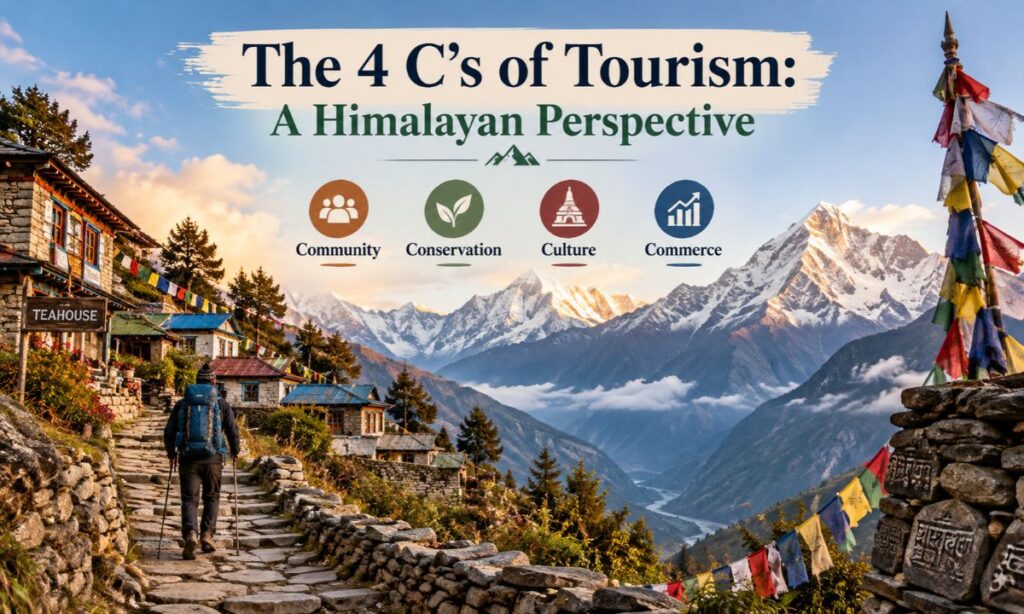
Tourism is not just about visiting new places, exploring beautiful destinations, or enjoying a holiday. It is also about understanding local communities, respecting different cultures, protecting nature, and supporting businesses.
The Himalayan region is a perfect example of why responsible tourism matters. With its snow-covered mountains, peaceful villages, beautiful landscapes, and rich traditions, the Himalayas attract travellers from around the world.
However, increasing tourism also brings challenges such as pollution, overcrowding, and pressure on natural resources.
This is where the 4 C’s of Tourism play an important role. These four principles help make tourism more responsible and beneficial for both travellers and local communities.
In this blog, we will explore the 4 C’s of Tourism, their importance, and how they support sustainable tourism in the Himalayas.
What Are the 4 C’s of Tourism?
The 4 C’s of Tourism are Community, Conservation, Culture, and Commerce. These four principles focus on creating a balance between tourism development, environmental protection, cultural preservation, and economic growth.
Each principle plays an important role in making tourism more sustainable.
Community: Supporting local people and creating opportunities for them.
Conservation: Protecting natural resources, wildlife, and the environment.
Culture: Respecting local traditions, customs, and heritage.
Commerce: Supporting businesses and creating economic opportunities through tourism.
Together, these principles help tourism destinations grow without losing their natural beauty, cultural identity, or local values.
1. Community: Supporting Local People Through Tourism
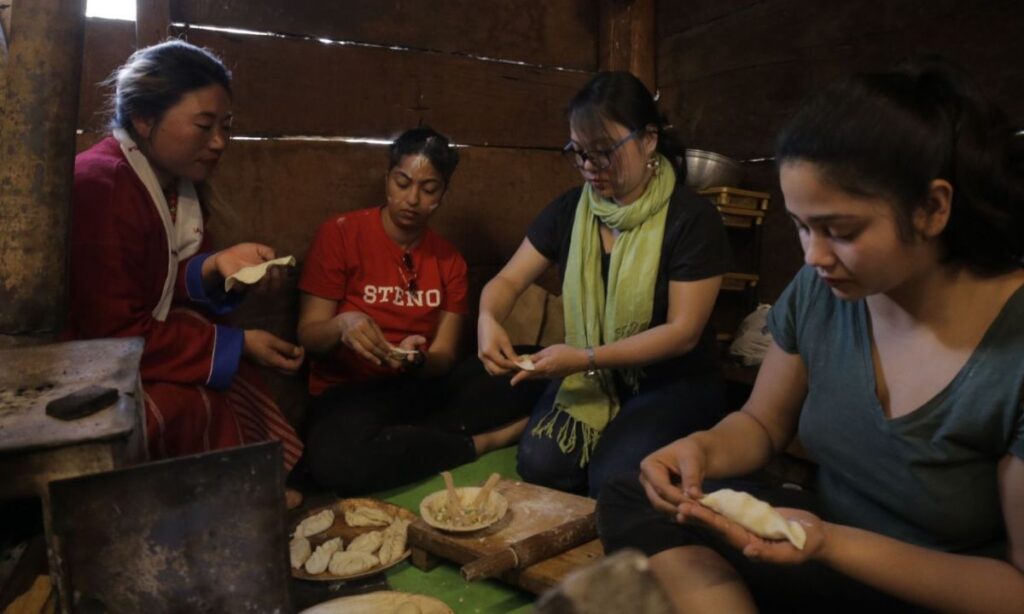
Community is one of the most important parts of tourism. Local people contribute to the experience of every traveller, whether through accommodation, food, transportation, or guiding services.
In the Himalayan region, many people depend on tourism to earn their living. Local families operate hotels, restaurants, tea houses, and homestays. Others work as trekking guides, porters, drivers, and travel operators.
When tourism grows responsibly, it creates more opportunities for these communities.
How Does Tourism Benefit Local Communities?
Tourism can improve the lives of local people in several ways:
Job Opportunities: Tourism creates employment for guides, hotel staff, drivers, and other workers.
Local Business Growth: Small shops, restaurants, and homestays benefit from visitors.
Better Infrastructure: Tourism development can encourage improvements in roads, transportation, and other facilities.
Skill Development: Local people can learn hospitality, communication, and tourism management skills.
Support for Local Products: Travellers purchase handmade products, traditional clothing, and locally produced goods.
Example of Community Tourism in the Himalayas
The Annapurna region of Nepal is a good example of community participation in tourism.
Many villages along trekking routes provide accommodation, food, and other services to visitors. Travellers staying in local tea houses and buying locally produced goods help support village businesses.
However, responsible tourism should also involve local people in decisions about how tourism develops.
The goal is simple: tourism should improve local livelihoods while respecting the needs of the community.
2. Conservation: Protecting the Natural Beauty of the Himalayas
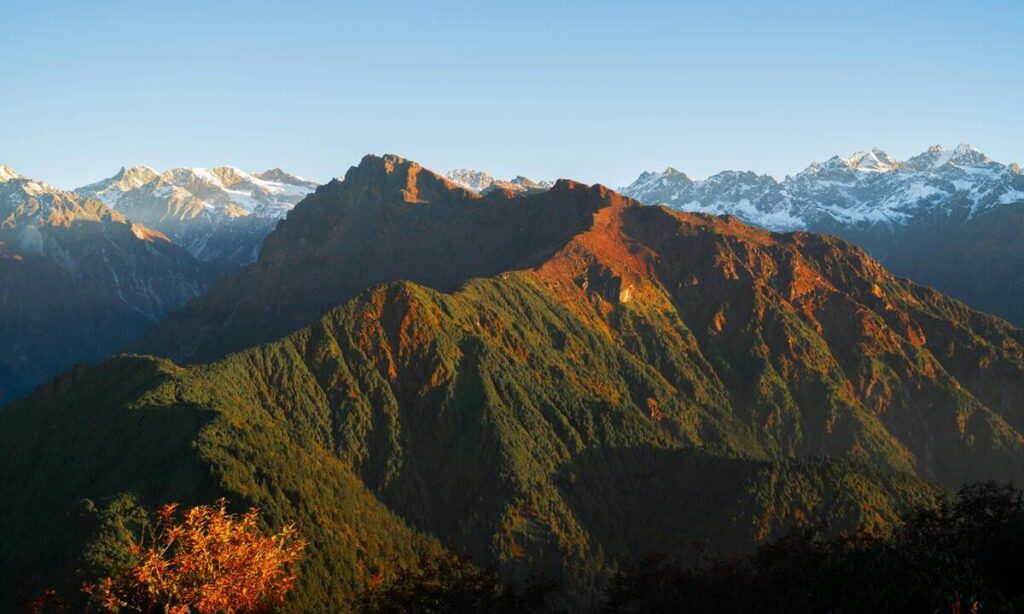
The Himalayas are famous for their mountains, glaciers, forests, rivers, and wildlife. These natural attractions make the region one of the most popular destinations for adventure tourism.
However, tourism can also affect the environment if visitors and tourism businesses do not act responsibly.
Conservation focuses on protecting nature so future generations can enjoy the same beautiful places.
Environmental Problems Caused by Tourism
Some common environmental challenges in Himalayan destinations include:
Plastic waste on trekking trails.
Pollution caused by improper waste disposal.
Damage to forests and natural habitats.
Soil erosion due to heavy trekking activity.
Increased pressure on water and energy resources.
Disturbance to wildlife.
Climate change is also affecting Himalayan environments, making conservation even more important.
How Can Tourism Support Environmental Conservation?
Travellers and tourism businesses can protect the environment by following simple practices.
These include carrying reusable water bottles, avoiding plastic waste, staying on marked trails, respecting wildlife, and choosing accommodation that follows responsible environmental practices.
Protected destinations such as Sagarmatha National Park, Langtang National Park, and the Annapurna Conservation Area show why environmental protection is important for Himalayan tourism.
Conservation helps maintain the beauty of these destinations while supporting tourism in the long term.
3. Culture: Respecting Local Traditions and Heritage
Culture makes every destination different and special. It includes local traditions, languages, festivals, food, clothing, architecture, and religious practices.
The Himalayan region is home to many communities, including Sherpa, Tamang, Gurung, Thakali, and Rai groups, each with its own traditions and cultural identity.
For many travellers, learning about local culture is one of the most memorable parts of visiting the Himalayas.
Cultural Experiences in Himalayan Tourism
Visitors can experience Himalayan culture in different ways, such as:
Visiting traditional villages and monasteries.
Learning about local festivals and celebrations.
Trying traditional Himalayan food.
Exploring local handicrafts and markets.
Understanding the lifestyles of mountain communities.
Staying in village homestays.
Popular festivals such as Losar, Mani Rimdu, Dashain, and Tihar also reflect the cultural diversity found across the region.
Why Is Cultural Preservation Important?
Tourism can help introduce local traditions to visitors and create income opportunities for communities.
However, growing tourism can also affect traditional lifestyles when local customs are changed only to attract visitors.
Responsible tourism encourages travellers to respect local beliefs, follow cultural rules, and understand community traditions.
For example, visitors should ask permission before taking photographs of local people and follow appropriate behaviour when visiting religious places.
By respecting local cultures, tourism can create meaningful experiences without harming traditional ways of life.
4. Commerce: Supporting Economic Growth Through Tourism

Commerce is the economic side of tourism. It focuses on creating business opportunities, employment, and income through travel-related activities.
Tourism supports several industries, including hospitality, transportation, travel agencies, restaurants, and adventure activities.
In the Himalayas, many small businesses depend on travellers visiting popular destinations.
How Does Tourism Support the Local Economy?
Tourism contributes to economic growth in several ways:
Hotels and Homestays: Visitors spend money on accommodation.
Restaurants and Cafés: Local food businesses benefit from tourism.
Travel Agencies: Tour operators provide travel planning and trekking services.
Transportation: Drivers and transport providers earn income from travellers.
Local Markets: Shops sell handicrafts, clothing, and souvenirs.
Adventure Tourism: Trekking guides and support staff benefit from outdoor travel activities.
However, economic growth should not come at the expense of local people or the environment.
Responsible tourism businesses should provide fair wages, maintain safe working conditions, support local suppliers, and follow environmental regulations.
Sustainable commerce means businesses can earn profits while also contributing to the well-being of local communities.
How Do the 4 C’s Work Together in Himalayan Tourism?
The four C’s are connected. Each principle supports the others, helping create a better tourism experience for visitors and local communities.
4 C’s | Main Focus | Example in Himalayan Tourism |
|---|---|---|
Community | Supporting local people | Hiring local trekking guides |
Conservation | Protecting the environment | Reducing plastic waste on trails |
Culture | Preserving local traditions | Respecting monasteries and festivals |
Commerce | Supporting economic growth | Staying in locally owned hotels |
For example, when a traveller chooses a locally owned homestay, hires a local guide, follows trekking rules, and respects village traditions, they support all four principles.
This approach makes travel more meaningful while helping protect the destination.
Why Are the 4 C’s Important for the Tourism Industry?
The tourism industry continues to create opportunities for employment, business development, and cultural exchange.
However, increasing visitor numbers can also create problems if destinations are not managed properly.
The 4 C’s provide a useful framework for balancing tourism development with the needs of local people and the environment.
Their main benefits include:
Encouraging responsible tourism practices.
Creating employment opportunities.
Supporting local businesses.
Protecting natural attractions.
Preserving cultural heritage.
Improving visitor experiences.
Supporting long-term tourism development.
These principles are important not only for the Himalayan region but also for other tourism destinations around the world.
Career Opportunities in the Tourism Industry
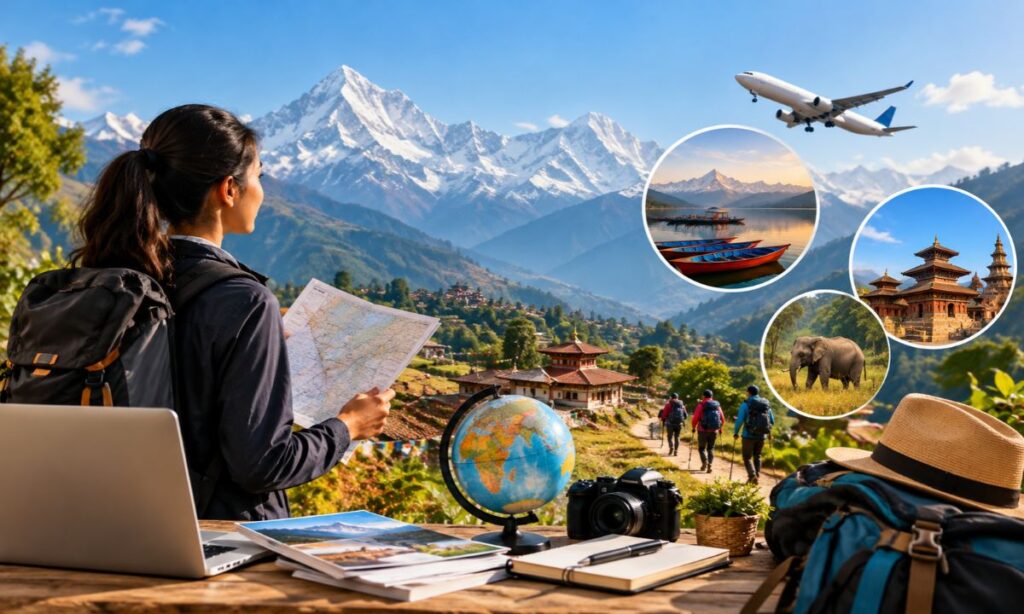
Tourism is not limited to travelling and exploring destinations. It is also a professional industry offering career opportunities in travel planning, hospitality, customer service, tour operations, and destination management.
As tourism grows, businesses need trained professionals who understand how to organise trips, assist travellers, manage travel services, and promote responsible tourism.
Students interested in this field can explore a tour and travel course to develop basic knowledge of the travel and tourism industry.
What Can You Learn in a Tour and Travel Course?
Depending on the institute and programme, a tour and travel course may cover topics such as:
Travel and tourism fundamentals.
Tour planning and itinerary preparation.
Travel agency operations.
Customer service and communication.
Destination knowledge.
Ticketing and reservation systems.
Sustainable and responsible tourism practices.
Understanding concepts such as the 4 C’s of Tourism can also help students learn how tourism affects communities, businesses, culture, and the environment.
Career Options After a Tour and Travel Course
After completing suitable training and developing the required skills, students can explore entry-level opportunities such as:
Travel Consultant
Tour Coordinator
Travel Agency Executive
Tour Operations Assistant
Travel Customer Service Executive
Destination Management Assistant
Career opportunities depend on qualifications, practical skills, experience, and employer requirements.
For students who enjoy travelling, communicating with people, and organising travel experiences, the tourism industry can offer an interesting professional path.
How Can Travellers Practice the 4 C’s of Tourism?
Responsible tourism does not always require big changes. Small decisions can help reduce the negative effects of travel.
Travellers can follow these practices:
Support Local Businesses: Choose local hotels, restaurants, guides, and shops whenever possible.
Keep Destinations Clean: Avoid littering and dispose of waste responsibly.
Respect Local Culture: Learn about local traditions and follow community rules.
Protect Natural Resources: Avoid damaging plants, wildlife habitats, and natural attractions.
Travel Responsibly: Follow trekking guidelines and respect protected-area regulations.
Encourage Fair Tourism: Choose operators that treat employees and local communities responsibly.
By making responsible choices, travellers can help tourism destinations remain beautiful, welcoming, and sustainable.
Challenges of Sustainable Tourism in the Himalayas
Although tourism creates several benefits, sustainable tourism development also faces challenges.
Overcrowding: Popular trekking routes may become crowded during peak tourist seasons, increasing pressure on local facilities and natural resources.
Waste Management: Remote mountain destinations often face difficulties collecting, transporting, and managing waste.
Environmental Damage: Heavy tourism activity can affect trekking trails, forests, and wildlife habitats.
Unequal Economic Benefits: Tourism income may not always reach smaller businesses or remote communities.
Cultural Changes: Increased commercial activity can influence traditional lifestyles and local customs.
Addressing these challenges requires cooperation between tourists, local communities, tourism businesses, and government authorities.

