

Why Some Flights don't Announce Turbulence in Advance
When we travel on an airplane, we sometimes feel the plane shake. This shaking is called turbulence. Many people wonder why pilots do not always tell us about it before it happens. The answer is simple: sometimes they cannot know early, and sometimes it is safer to stay focused instead of giving long warnings. People who study aviation or take an air hostess course also learn why turbulence can be unpredictable.
1. Turbulence can appear suddenly
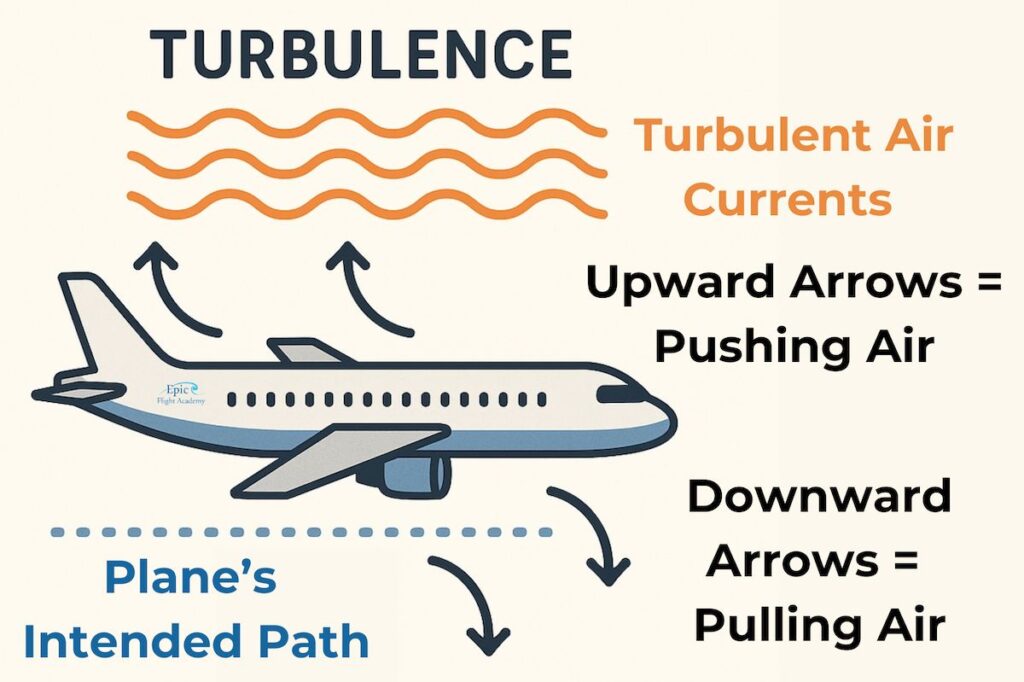
Turbulence is like a bump in the sky. Just like you cannot always see a pothole on the road, pilots cannot always see rough air ahead. Some turbulence is invisible and cannot be shown on the radar, so it surprises even the pilots. Because it arrives quickly, they cannot warn passengers in advance every time.
2. Pilots focus on keeping the plane safe
The main job of a pilot is to fly the plane safely. When the plane suddenly enters rough air, pilots must hold the controls, check the instruments, and guide the plane smoothly. This takes quick action. Giving a warning is not the first step because controlling the plane comes first.
3. Warning too early can cause worry
If pilots announce turbulence too early or too often, it may make passengers worried for no reason. Sometimes the rough air is very light and ends quickly. If the pilot had announced it too early, people might panic even though it was not dangerous.
4. Turbulence is usually not dangerous
Airplanes are built to handle strong winds and shaking. Even when turbulence feels uncomfortable, the plane is still safe. This is why pilots may not warn about every small bump. They know the plane can manage it safely.
5. Sometimes the pilot does give a warning
If the pilot knows in advance, they do tell passengers. You might notice the seatbelt sign turn on or hear the pilot ask everyone to sit down. But this only happens when they get a clear report from weather systems or from other airplanes flying nearby. People preparing for aviation jobs, such as through an air hostess course, also learn how and why these warnings are given.
Conclusion
Pilots do not always announce turbulence in advance because they cannot always predict it, and their first job is to keep the plane stable. The good news is that turbulence, even when sudden, is usually harmless. Airplanes are strong, and pilots are trained to handle these bumps in the sky.


